In an era where consumer demands, regulatory pressure, and supply-chain complexity are all ramping up, the packaging industry is undergoing a major transformation. Technology is not just influencing packaging design or materials—it’s reshaping what packaging is, what it does, and how it performs. Below we dive into the major ways that tech shapes the future of packaging, why it matters, and what organisations and brands should pay attention to.
Smart & Connected Packaging: Beyond the Box
One of the most striking shifts is toward smart packaging—packaging that interacts, communicates, monitors and engages. Some of the key technologies:
- IoT and embedded sensors: Packaging now can include sensors that detect temperature, humidity, freshness and location. This is especially important in food, pharmaceuticals and perishable goods sectors. Safe Packaging+2anitechgroup.com+2
- QR codes, NFC chips, AR/VR experiences: Brands are embedding digital touchpoints in packages so consumers can scan and learn origin stories, check authenticity, personalize their experience or engage deeper with the brand. Little Black Book+2packfora.com+2
- AI-driven design and analytics: Machine learning helps optimise packaging shapes, materials and supply chain flow—reducing waste, cutting costs and improving performance. For example: AI can determine packaging dimensions to minimise shipping damage and material use. StartUs Insights+1
Why this matters: Smart packaging turns a passive container into an active component of the product experience and supply chain. It improves traceability (reducing counterfeiting or spoilage), enhances consumer engagement, and opens up new data insights.
Sustainable Materials & Circular Design
Technology is also driving material innovation in packaging:
- Biodegradable, compostable, plant-based materials: From seaweed films to mushroom mycelium foams, alternative materials are replacing traditional plastics and foams. packfora.com+1
- Mono-material & simplified structures: Packaging designs are moving toward single-material formats, making recycling easier and improving circularity. PACKNODE
- Advanced recycling and smart material systems: Some systems integrate sensors or active materials (e.g., oxygen absorbers or antimicrobial coatings) that prolong shelf life and reduce waste. packfora.com+1
Why this matters: Packaging increasingly contributes to both sustainability goals and brand credentials. Consumers are more aware of environmental impact, regulations are stricter, and material innovation offers a competitive edge.
Automation, Digital Manufacturing & Flexible Production
Technology is not just changing the materials and functions of packaging—it’s transforming how packaging is made:
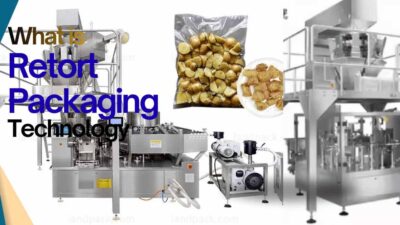
- Robotics and automation: Automated packaging lines, robotic insertion, high-speed vision inspection and flexible systems adapt to multiple formats. titanpack.co.uk+1
- Digital printing & variable data: Enables mass-customisation—small runs, personalised messages/labelling, targeted regional designs. StartUs Insights+1
- On-demand production: With shorter lead times, fewer inventory risks, lower waste and responsive supply chains.
Why this matters: For brands, the ability to customise, scale-to-demand and operate efficiently provides both cost and market advantages. Packaging becomes an agile asset rather than a fixed overhead.
Supply Chain Visibility & Real-Time Monitoring
In the broader ecosystem, packaging plays a key role in enabling supply-chain intelligence:
- Blockchain and traceability platforms: Packaging with embedded codes or tags ties into systems that track origin, production batch, transit conditions and authenticity. Little Black Book+1
- Cold-chain monitoring via packaging sensors: Especially in food, pharma, and perishables, packaging systems flag deviation in conditions and help prevent spoilage or risk. anitechgroup.com
- Reduced waste in logistics: Smarter packaging means fewer damages in shipping, better cube-utilisation, and better end-to-end transparency. StartUs Insights
Why this matters: Packaging is no longer mere “finish line” of manufacturing—it’s a data-node that links product, logistics, and consumer. Stronger visibility means stronger brand trust, less loss, and more resilient operations.
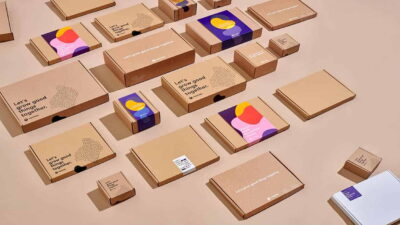
E-Commerce, Unboxing & Consumer Experience
Finally, the rise of e-commerce and digital shopping experiences raises the bar on packaging:
- Optimised for shipping: Lightweight but protective packaging, frustration-free opening, minimal waste, multi-channel friendly. Safe Packaging+1
- Interactive unboxing experience: Brands use packaging to extend their story—from digital overlays to personalised labels to AR experiences triggered by packaging. StartUs Insights
- Brand differentiation through packaging tech: Smart packaging becomes a brand touchpoint—consumers engage, scan, share experiences.
Why this matters: With many purchases happening online, packaging becomes the product’s physical first impression at home. It influences both brand perception and functional performance.
What Organisations Should Do to Stay Ahead
- Audit packaging materials and production methods: Shift toward recyclable/renewable materials, evaluate digital printing and small-batch capability.
- Invest in smart packaging pilots: Begin integrating sensors, QR/NFC codes, IoT tags to gather data and enhance traceability.
- Reimagine packaging design from function + experience lens: Combine protection, sustainability, consumer engagement in one.
- Upgrade manufacturing & automation ecosystem: Use robotics, flexible lines, digital print, AI-based optimisation to keep pace.
- Link packaging data to supply chain & consumer platforms: Use real-time insights from packaging to improve logistics, waste reduction, brand engagement.
- Build sustainability credentials into packaging strategy: Material innovation, circular economy design, compliance with evolving regulations.
For Brands & Designers: What You Should Focus On
- Adopt a consumer-centric view of packaging: it isn’t just “wrap the product” but “enable interaction and experience”.
- Consider packaging’s digital layer: what happens when the consumer scans the pack? How does it amplify brand?
- Think of packaging in the context of end-to-end lifecycle: from material sourcing → production → shipping → consumption → disposal/reuse.
- Prioritise data and performance metrics: e.g., reduced damage rates, improved shelf life, enhanced consumer engagement, lower waste.
- Partner with material/tech innovators: Keep one eye on emerging materials (e.g., mushroom-based foams, sea-weed films) and integration of electronics.
Challenges & Considerations
- Cost-vs-benefit trade-off: Smart sensors and bespoke packaging cost more — ROI must be clear.
- Recycling & end-of-life concerns: Smart packaging may introduce electronics or mixed materials that complicate recycling.
- Consumer privacy & data: With packaging connecting to digital experiences, data governance and consent matter.
- Supply chain complexity: Integrating sensors or IoT into packaging adds layers of logistics, tracking and tech support.
- Material performance: New sustainable materials must meet protection, shelf-life, barrier and cost requirements.
Conclusion
The packaging industry is evolving rapidly—and technology is at the heart of that transformation. Whether it’s embedded sensors making packaging “smart”, new materials making it more sustainable, automation making it more efficient, or digital layers making it more engaging—packaging is no longer passive. It’s alive.
For any brand, manufacturer or designer, the takeaway is clear: incorporate technology not as a gimmick, but as a core enabler of packaging’s role in the product journey—from the factory to the consumer’s hands and beyond.